

Complaints, Concerns & Feedback Policy
A clear route for raising concerns, receiving a timely response, and using feedback to improve care quality.
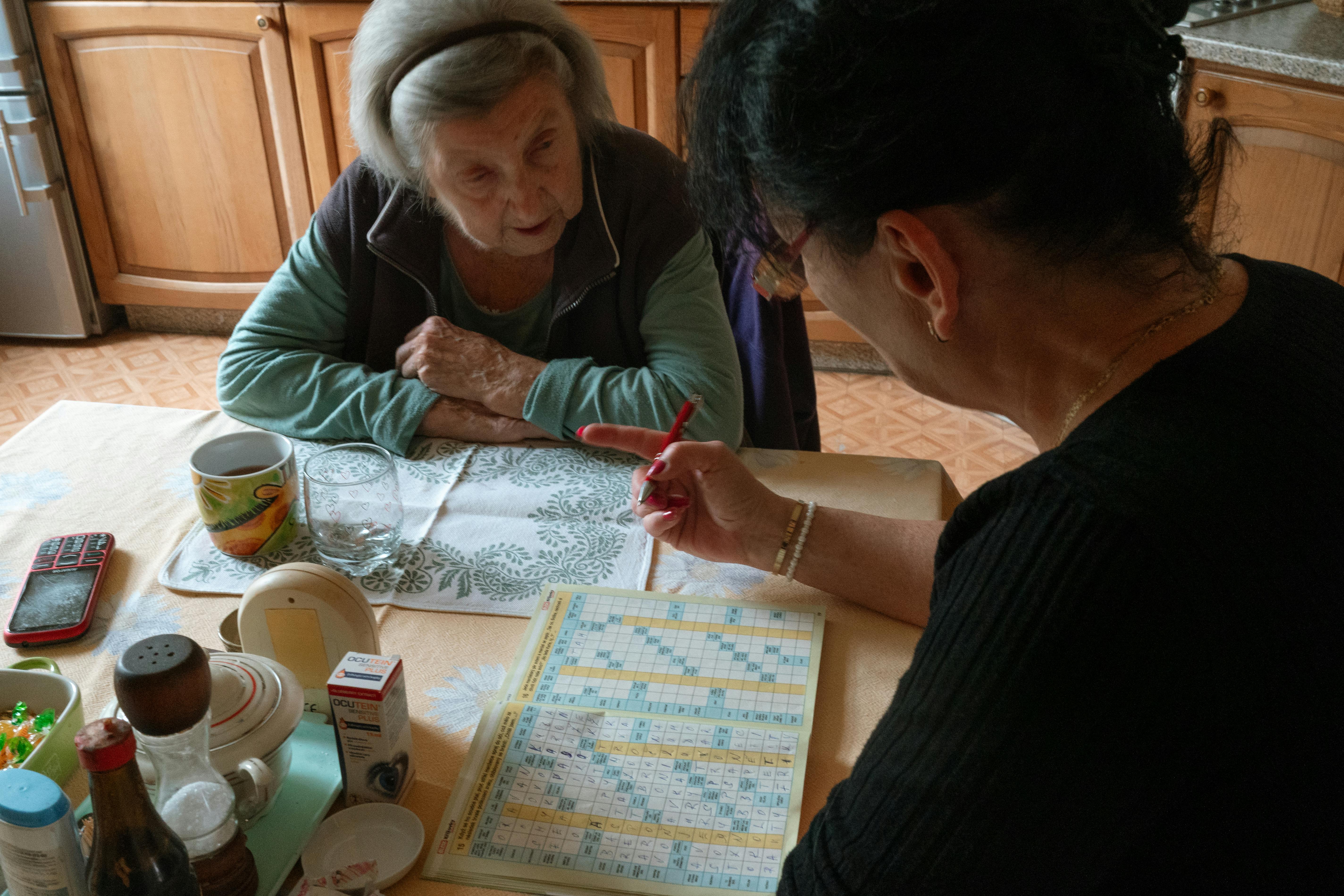
Complaints should lead to action
This policy sets out accessibility, investigation steps, timescales, escalation routes, and how complaints are used for governance and service improvement.
Acknowledgement
3 working days
Every complaint should receive a timely acknowledgement so the complainant knows it is being handled.
Response target
28 days
If more time is required, Havenlight should provide updates and explain why.
Scope
Support services
The policy aligns complaint handling with dignity, respect, and service learning.
This page is structured to feel clear, not dense.
The main points are surfaced first, and the detailed sections are laid out as readable blocks instead of one continuous wall of policy text.
Sections
24 detailed areas
Highlights
3 key trust markers
Policy Statement
Havenlight welcomes complaints, concerns, and feedback as a source of learning and service improvement.
Complaints will be handled respectfully, confidentially, and with a focus on learning and service improvement.
Purpose
- Provide a clear route for complaints
- Ensure timely acknowledgement and investigation
- Protect complainants from disadvantage
- Promote transparency and continuous improvement
Scope
This policy applies to service users, families, representatives, members of the public, commissioners, and staff.
Definition of a Complaint
A complaint is any expression of dissatisfaction about care, conduct, communication, charges, or decision-making.
Concerns become formal complaints when investigation is requested.
Principles
Complaints will be accessible, respectful, confidential, timely, transparent, and used for learning.
Roles & Responsibilities
The Registered Manager leads complaint handling and investigation. Staff must report concerns and support complainants appropriately.
How to Complain
Complaints may be made verbally, in writing, by phone, by email, through a representative, or through an advocate.
Communication support should be offered where needed.
Timeframes
Complaints are acknowledged within 3 working days and responded to within 28 days.
If more time is required, the complainant should receive updates and a revised timescale.
Recording
Complaints must be recorded factually, stored securely, retained in a complaints register, and used for governance audit.
Informal Resolution
Some concerns may be resolved through discussion, clarification, apology, or immediate action.
These should still be logged for monitoring and learning.
Formal Investigation
- Assign an investigator
- Review evidence
- Contact relevant parties
- Assess risks
- Produce an outcome report
- Escalate safeguarding where required
Outcomes
- Apology
- Explanation
- Service improvement
- Training or supervision
- Care plan review
- Referral to external agencies
Advocacy Support
Independent advocacy is available. Assistance should be offered for communication needs and representation.
Accessibility
- Alternative language formats
- Interpreters
- Easy read documents
- Help with writing complaints
- Sensory support where required
Learning & Audit
Complaints logs should be reviewed to identify trends, service improvements, risk reduction opportunities, and supervision themes.
Anonymous Complaints
Anonymous complaints should be investigated where information allows and used for improvement regardless of whether the complainant is identified.
Staff Conduct Complaints
Concerns about staff conduct may require temporary removal from duty, investigation, disciplinary action, safeguarding referral, or DBS referral.
Safeguarding Links
Abuse related complaints are escalated to safeguarding authorities immediately.
Duty of Candour
Where harm occurs, Havenlight should provide written notification, apology, explanation, and a record of actions taken.
Escalation & Appeals
Complainants may escalate concerns to senior management or relevant external advice and complaint routes where appropriate.
False or Malicious Complaints
All complaints are investigated seriously. Only proven malicious intent may lead to disciplinary action.
Training
Staff should be trained in complaint handling, documentation, and communication skills, with refreshers provided when needed.
Review
This policy should be reviewed annually or sooner following legislation, learning, or inspection outcomes.
Policy Approval
Registered Manager
To be completed
Signature
To be completed
Date
To be completed
Nominated Individual (if applicable)
To be completed
Signature
To be completed
Date
To be completed